
Industrial Applications of Aluminium – Powering Modern Innovation
UncategorizedIndustrial Applications of Aluminium - Powering Modern Innovation
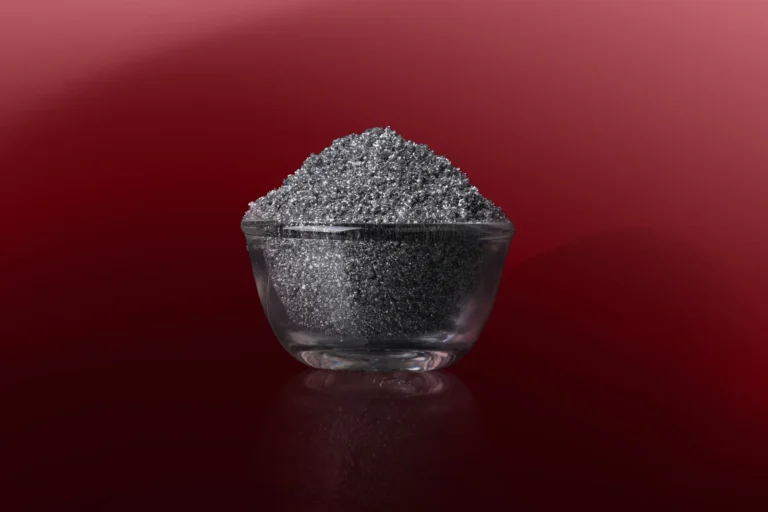
Lightweight, durable, and endlessly recyclable — aluminium has become a cornerstone of modern industry. Its unique combination of strength, corrosion resistance, and versatility allows it to perform across sectors, from architecture to aerospace. Here are seven major industries where aluminium plays a crucial role.
1. High-Rise Establishments
In modern construction, aluminium is prized for its strength-to-weight ratio. It’s used in structural frames, facades, curtain walls, and roofing systems. Its corrosion resistance ensures longevity, while anodized or powder-coated finishes enhance aesthetics and durability. The reduced weight also lowers structural loads, improving safety and cost-efficiency in tall buildings.
2. Consumer Electronics
Aluminium is essential in smartphones, laptops, and tablets, offering both sleek design and heat management. Its excellent thermal conductivity helps dissipate heat, improving device performance and lifespan, while giving products a modern, premium look.
3. Window and Door Frames
Aluminium provides low-maintenance, rust-free solutions for both homes and commercial spaces. Unlike wood or steel, it resists warping and corrosion, ensuring smooth operation and long-term reliability.
4. Industrial and Household Appliances
Found in refrigerators, washing machines, and air conditioners, aluminium enhances energy efficiency due to its excellent thermal conductivity. Its non-toxic and anti-corrosive properties make it safe and ideal for daily-use appliances.
5. Power Transmission
Aluminium’s light weight and strength make it the preferred material for overhead power lines and electrical cables. Though slightly less conductive than copper, it’s far lighter and more cost-effective, allowing power transmission across vast distances with minimal support structures.
6. Aerospace and Spacecraft Components
The aerospace industry relies heavily on aluminium alloys like 2024 and 7075, which offer exceptional strength-to-weight performance. Aluminium is used in aircraft bodies, rockets, and satellites, where it must endure extreme temperatures and stress while minimizing mass — crucial for fuel efficiency and performance.
7. Land and Sea Vehicles
In the transportation sector, aluminium helps reduce vehicle weight, improving fuel efficiency and lowering emissions. It’s used extensively in cars, trains, buses, ships, and submarines for body panels, frames, and engine components. Its recyclability also supports sustainable manufacturing practices.
Conclusion
Aluminium is more than just a metal — it’s a material driving progress across industries. From the reflective brilliance in paints to the strength behind skyscrapers and satellites, aluminium continues to shape our world with innovation, efficiency, and sustainability at its core.